Home / Why Taranaki Area / Pungarehu
Just 4km from Pungarehu is Parihaka, a place of immense historical and cultural significance in Taranaki and nationally, renowned for its legacy of peaceful resistance and non-violent protest led by Te Whiti-o-Rongomai and Tohu Kākahi.
Despite its small population, the wider Pungarehu area offers a good range of recreational and community facilities, including a golf course, community swimming pool and hall. The thriving local boat club has around 290 members, with a campground and playground located nearby, providing a popular base for fishing, boating and enjoying the spectacular west coast.
History: The 20-metre-high cast-iron tower of Cape Egmont lighthouse, which stands on the westernmost point of Taranaki, was manufactured in Britain in 1864. It was erected on Mana Island near Wellington in 1865, but was moved to Cape Egmont in 1881. The keepers lived alongside the lighthouse until it was automated in 1986. The original lens has been reinstalled in a replica – but non-functioning – tower, at the Cape Egmont boating club.
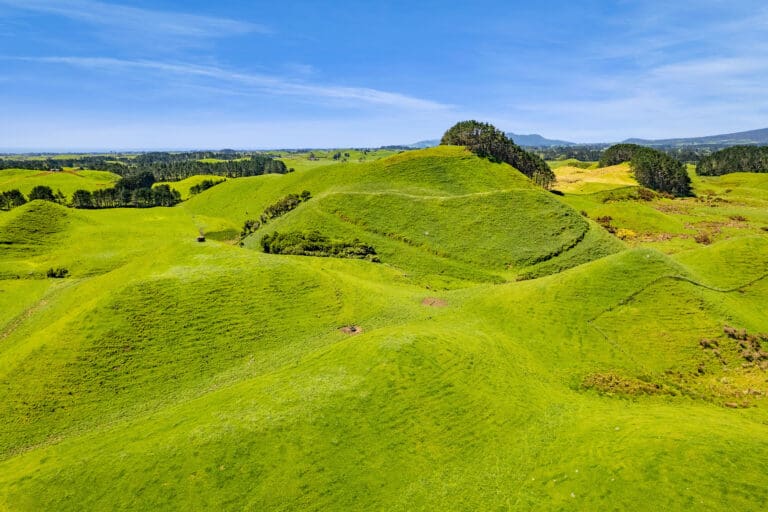
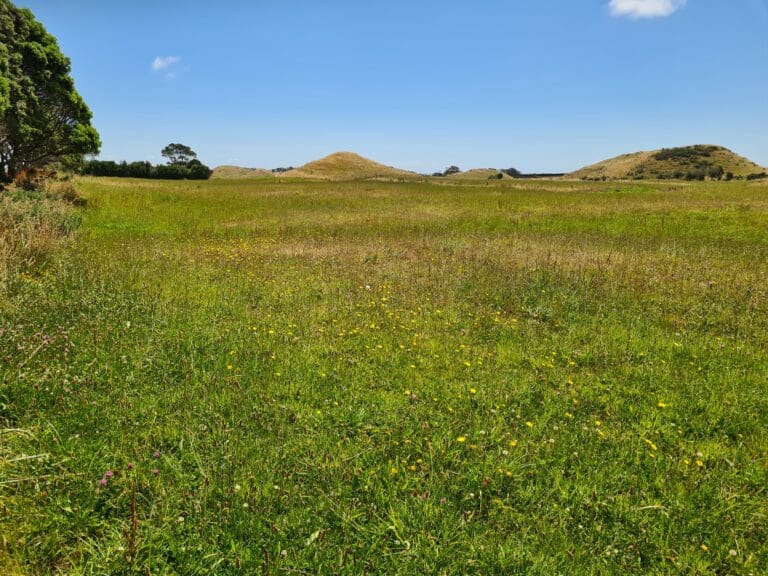
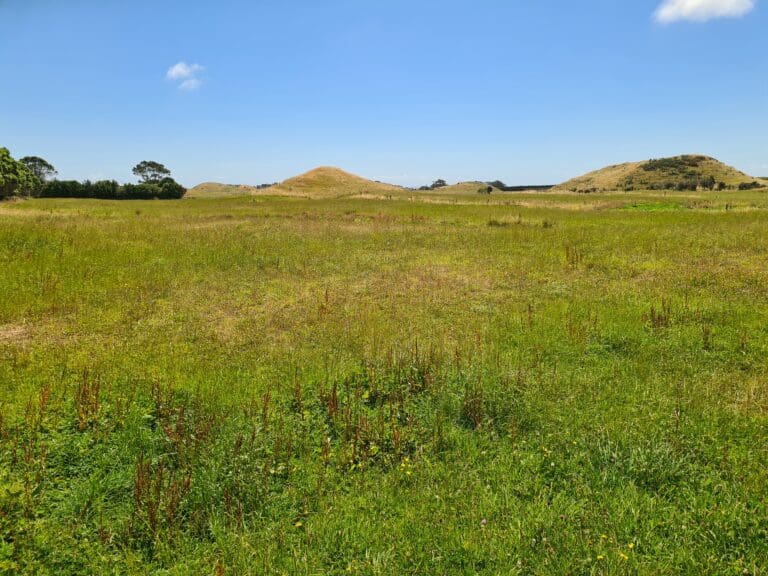
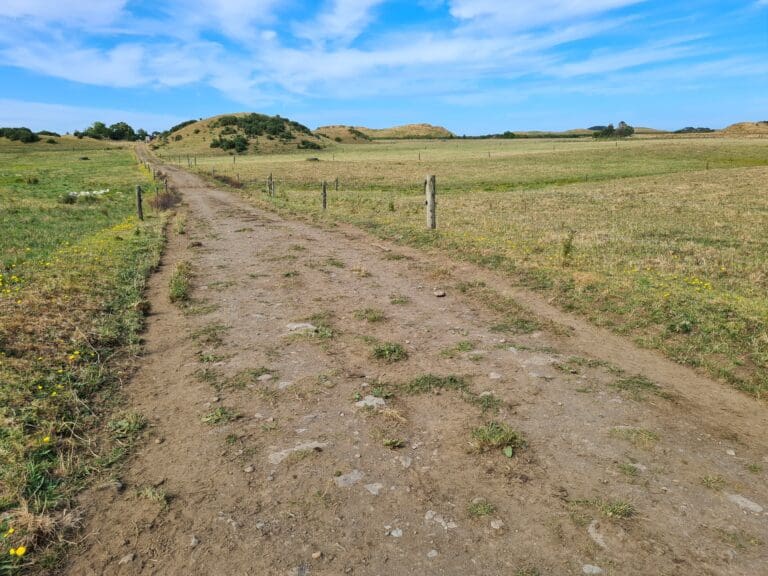
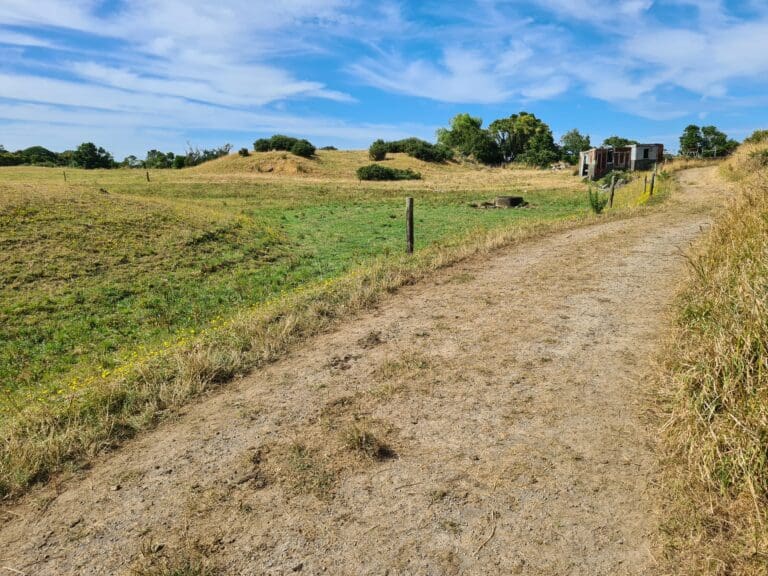
The Māori village of Parihaka was established by Te Whiti-o-Rongomai and Tohu Kākahi among the lahar hills inland of Cape Egmont in the late 1860s, and became the centre of a passive resistance movement against confiscations of Māori land. In 1881 the township was invaded by more than 1,500 armed constabulary and volunteers. The leaders were arrested and the residents forcibly dispersed.
After Te Whiti and Tohu’s return Parihaka again became a focus for Taranaki Māori, but it declined in the mid-20th century. However, the settlement was later rejuvenated. In 2006 it became the base for the annual Parihaka International Peace Festival.
With eight offices located around the mountain, our team are able to service your properties more effectively.
"*" indicates required fields