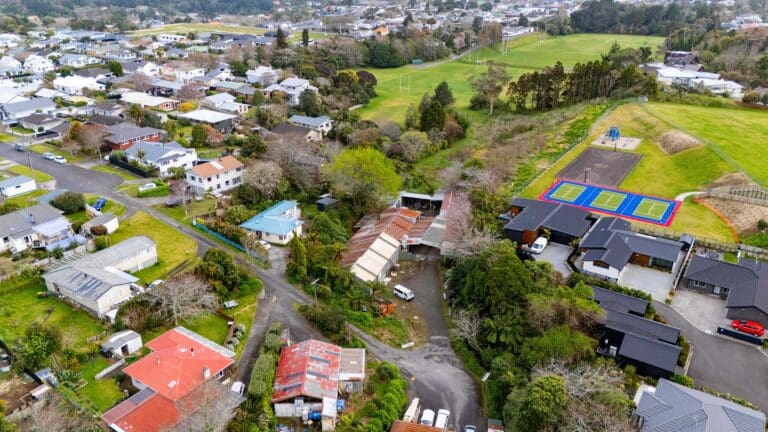
New Plymouth is Taranaki’s vibrant coastal city, home to approximately 60,000 people and renowned for its exceptional lifestyle, stunning natural surroundings and thriving arts and cultural scene. With the Tasman Sea on its doorstep and iconic Taranaki Maunga less than a 30-minute drive away, the city offers a rare blend of coastal and mountain recreation. Few places allow you to surf or swim at the beach and hike or enjoy snow sports on the mountain, all in the same day!
As Taranaki’s main commercial and service centre, New Plymouth supports the region’s strong agricultural, energy and industrial sectors and is home to a diverse range of businesses and employment opportunities.
The city is well known for its recreational attractions, including the award-winning Coastal Walkway, Pukekura Park, Paritutu Rock and the iconic Len Lye Wind Wand. It also has a strong creative identity, with galleries, theatres, live performances and major events, including the internationally recognised WOMAD festival.
New Plymouth offers an excellent range of education options, from early childhood and primary schooling through to secondary and tertiary education at WITT – Te Pūkenga, alongside alternative education options such as Green School New Zealand.
Fun fact: New Plymouth is regularly among New Zealand’s sunniest locations and has claimed the top spot nationally in recent years!
History: New Plymouth is the major city of the Taranaki Region, it is named after Plymouth, Devon, England, from where the first English settlers migrated.
In 1828 Richard “Dicky” Barrett (1807–47) set up a trading post at Ngamotu after arriving on the trading vessel Adventure. Barrett traded with the local Māori and helped negotiate the purchase of land from them on behalf of the New Zealand Company. Settlers were selected by the Plymouth Company, which was set up to attract emigrants from the West Country of England, and which took over land initially purchased by the New Zealand Company. The first of the town’s settlers arrived on the William Bryan, which anchored off the coast on 31 March 1841. A series of disputes over ownership and settlement of land developed between Māori and settlers soon after and New Plymouth became a fortified garrison town in 1860–1861 as more than 3500 Imperial soldiers, as well as local volunteers and militia, fought Māori in the First Taranaki War.